
What “Drowsy But Awake” Actually Means
/At some point after having a baby, usually when you’re already tired and Googling things you never thought you’d Google, you come across the phrase: “drowsy but awake.”
And you might think “Oh, let me try doing that to see if it helps my baby sleep better.”
And truthfully, it sounds like a simple, almost reassuring direction… like there’s this middle ground you’ll be able to find that will magically get your baby sleeping more soundly.
Then you try it…
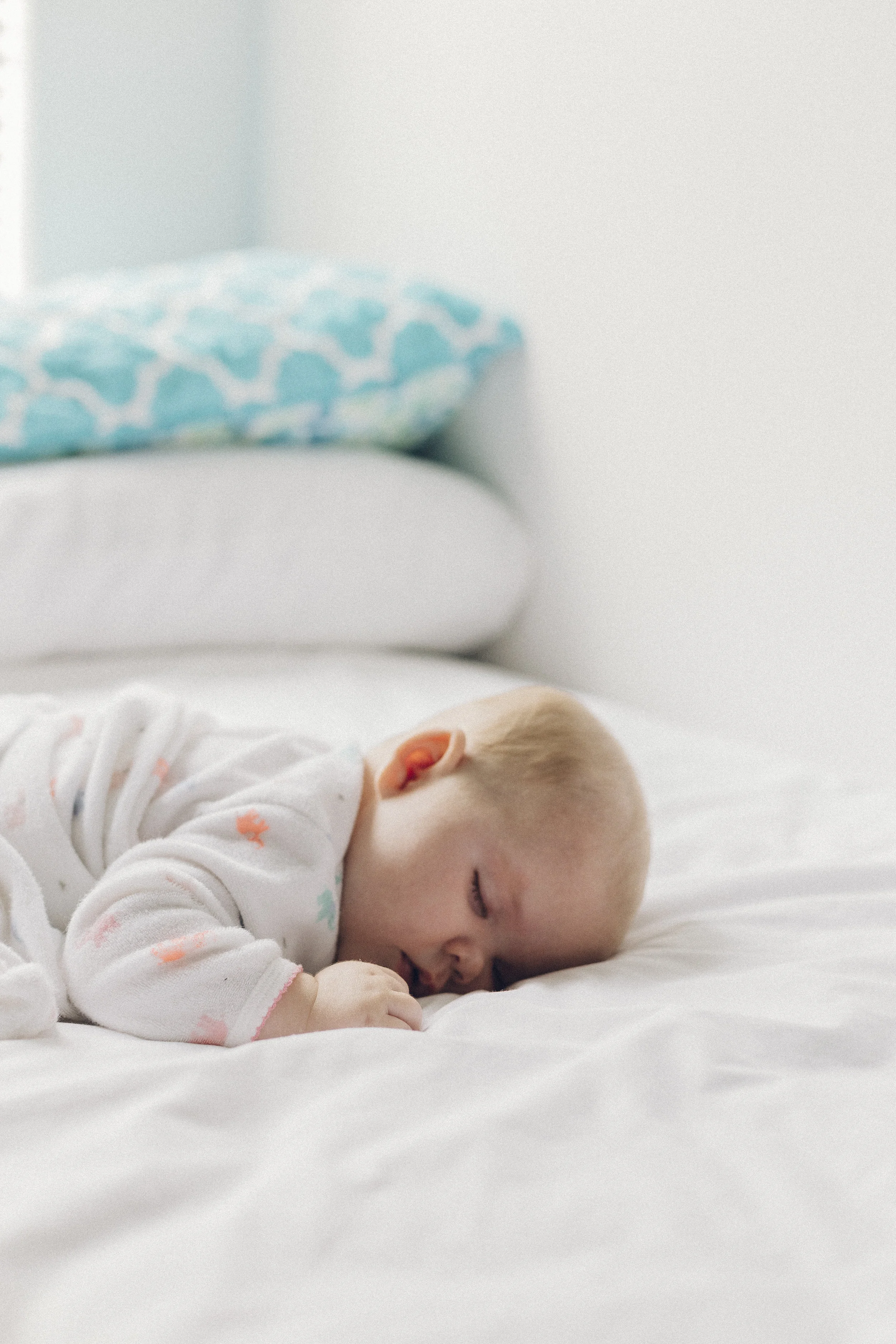
Your baby is fed, warm, calm in your arms. Their eyes close, their body softens, and you think, okay, this must be it. You gently place them in the crib…
…and their eyes pop open like you just hit a reset button.
Now they’re wide awake. Or frustrated. Or both.
And you’re left standing there thinking, what am I missing?
As a postpartum doula and sleep coach, I’ve sat with so many families in this exact moment. It’s not that they’re doing anything wrong. It’s that this advice gets handed out without much explanation of what it actually looks like in real life.
If I’m being honest, I don’t love the direction to put your baby down “drowsy but awake,” because for most parents, it isn’t really a clear step. There’s confusion about what drowsy looks like, what awake looks like and how to actually achieve putting your baby down like this.
So let me clear up some things. Firstly, underneath the term “drowsy but awake”, what we’re really talking about is how your baby falls asleep and then subsequently what happens when they wake between sleep cycles.
If your baby falls fully asleep in your arms and then wakes up somewhere else, that shift can feel jarring enough that they need help getting back to sleep. Not because anything is wrong, just because it’s different than how they got there. It’s called object permanence and as babies develop, this phenomenon becomes stronger and stronger.
When a baby is more aware of their sleep space as they fall asleep, those wake-ups tend to feel less stressful because your baby isn’t stuck trying to figure out what changed.
Additionally, giving your baby space to fall asleep on their own without all the rocking, shushing, patting, etc. can help them learn independent sleep in the long run. And while it may seem impossible the first several times you try it, with consistency, “drowsy but awake” does work… as long as you do it correctly.
So, that’s the idea of “drowsy but awake.” But how you get there is more important!
There’s a small window where your baby is calm enough to fall asleep but still aware of where they are. Catching that moment consistently can feel like trying to land a moving target, especially when you’re already running on very little sleep. Some babies ease into it over time. Others protest the second they’re put down even slightly awake. Most fall somewhere in between.
So parents start adjusting constantly. Trying earlier. Trying later. Picking up, putting down, second guessing every step. And it turns into a lot of effort without a clear sense of whether you’re moving in the right direction. This is usually when families reach out to me to help because they just need some more guidance.
Ok, so what does “drowsy but awake” look like from the eyes of a sleep coach?
It looks like a fully fed, burped, changed, and calm baby that is primed for sleep… but they are not yet falling asleep. THAT PART IS KEY.
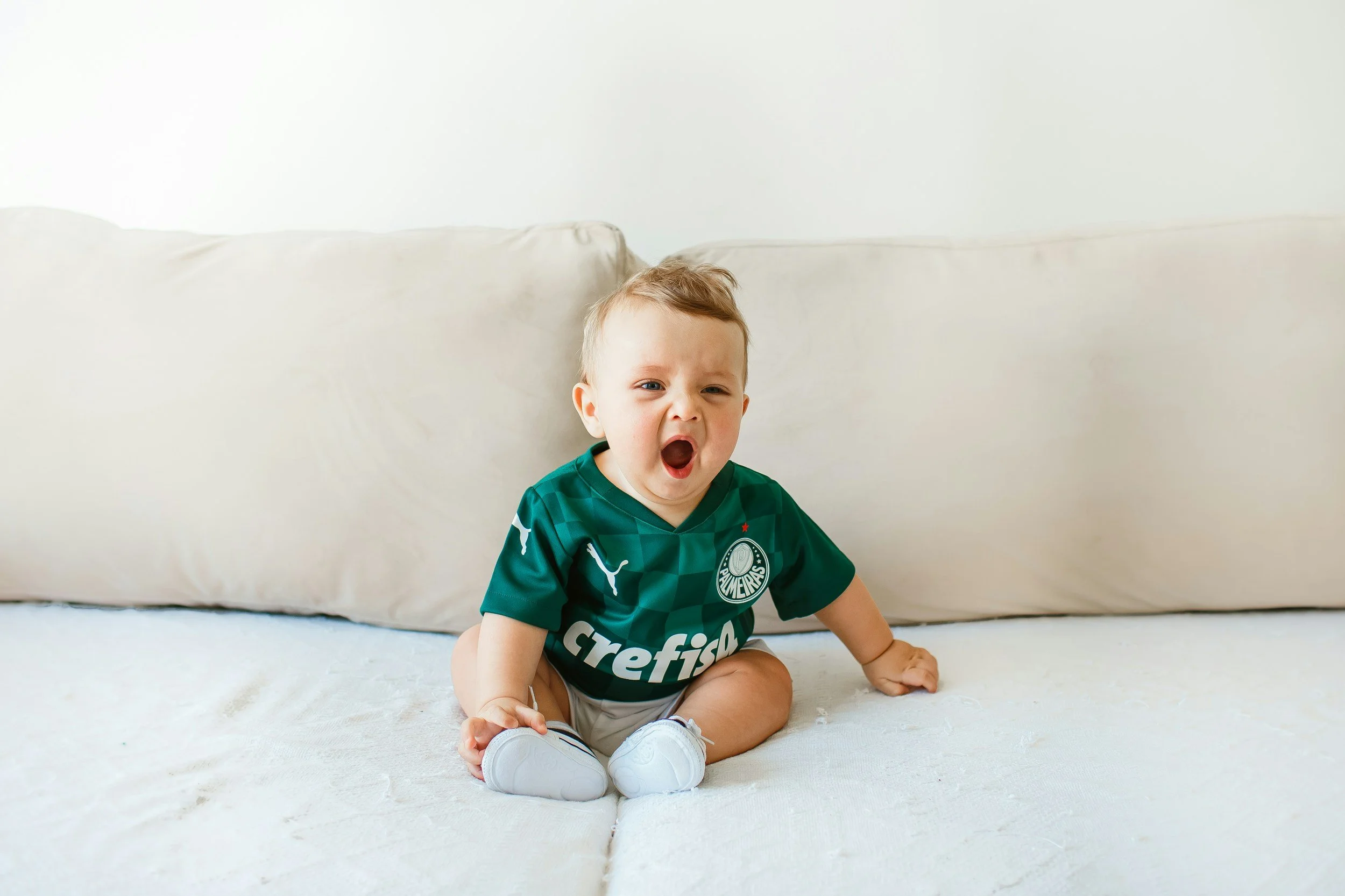
Your baby has checked all the pre-sleep boxes, they’re yawning, and showing all the sleepy cues, but they are still somewhat alert. This means no drooping eyes!
This is the moment you can put your baby down in their basinet and have greater success in them falling asleep without much help.
Here’s what I recommend: put your fully primed baby in the basinet swaddled or in a sleep sack and walk away for a few minutes. If your baby cries, go back to soothe from the side of the basinet or pick up to soothe if needed. BUT, don’t react too quickly. Some fussing (not hard crying), some grunts, and some other noises are totally normal as baby adjusts to their space. Give your calm baby time and space to fall asleep. If they need you, go to them, but if they’re calm and happy let them be and see what happens.
This is the foundation of independent sleep and it’s ideal to start working on this between 8-12 weeks. It won’t be perfect, but again, with consistency, it can certainly help your baby learn to sleep more soundly without as much help.
This is just a glimpse of the process I take and the education I provide when working with families. I may sound oversimplified, but in my opinion we have overcomplicated newborn sleep with all the gadgets and the song & dance to get them down. Simplifying infant sleep is what I love to talk about and I’d love to talk to you if you’re in need of more help. I offer in-home guidance as well as virtual support packages depending on your needs.
